Student
Garfield / Perapat N.
Location
Pigeon Forge, Tennessee, USA
Program Year
2025
Published
Case Study
Case Study: Working Three Jobs in Pigeon Forge During Work and Travel Spring 2025
An English case study based on Garfield's Work and Travel experience at Dollywood in Pigeon Forge, Tennessee, covering job duties, second jobs, housing, language growth, and daily life.
Background
Garfield joined the Work and Travel USA program during the Spring 2025 season after finishing university in three and a half years. Rather than moving directly into full-time work in Thailand, he used the gap before starting his career to gain overseas work experience, test his independence, and improve his English in a real service environment.
This was his first Work and Travel program. Over roughly four months in the United States, he worked three jobs in Pigeon Forge, Tennessee: a primary role at Dollywood, a second job at Farmhouse Sweets, and selected day-off shifts at Smoky Mountain Candy Makers.
The case is useful because it shows a different type of Work and Travel strategy. Garfield was not focused only on maximizing savings. His main goal was to build a full experience: customer-facing work, local community exposure, language practice, and enough additional work to make the season financially worthwhile.
| Case Snapshot | Detail |
|---|---|
| Primary employer | Dollywood Theme Park |
| Primary role | Ticket Team Member |
| Location | Pigeon Forge, Tennessee |
| Season | Spring 2025 |
| Program dates | March 7 to July 7, 2025 |
| Work pattern | One primary job plus two local side jobs |
| Best fit | Students who want guest-facing English practice and a full destination experience |
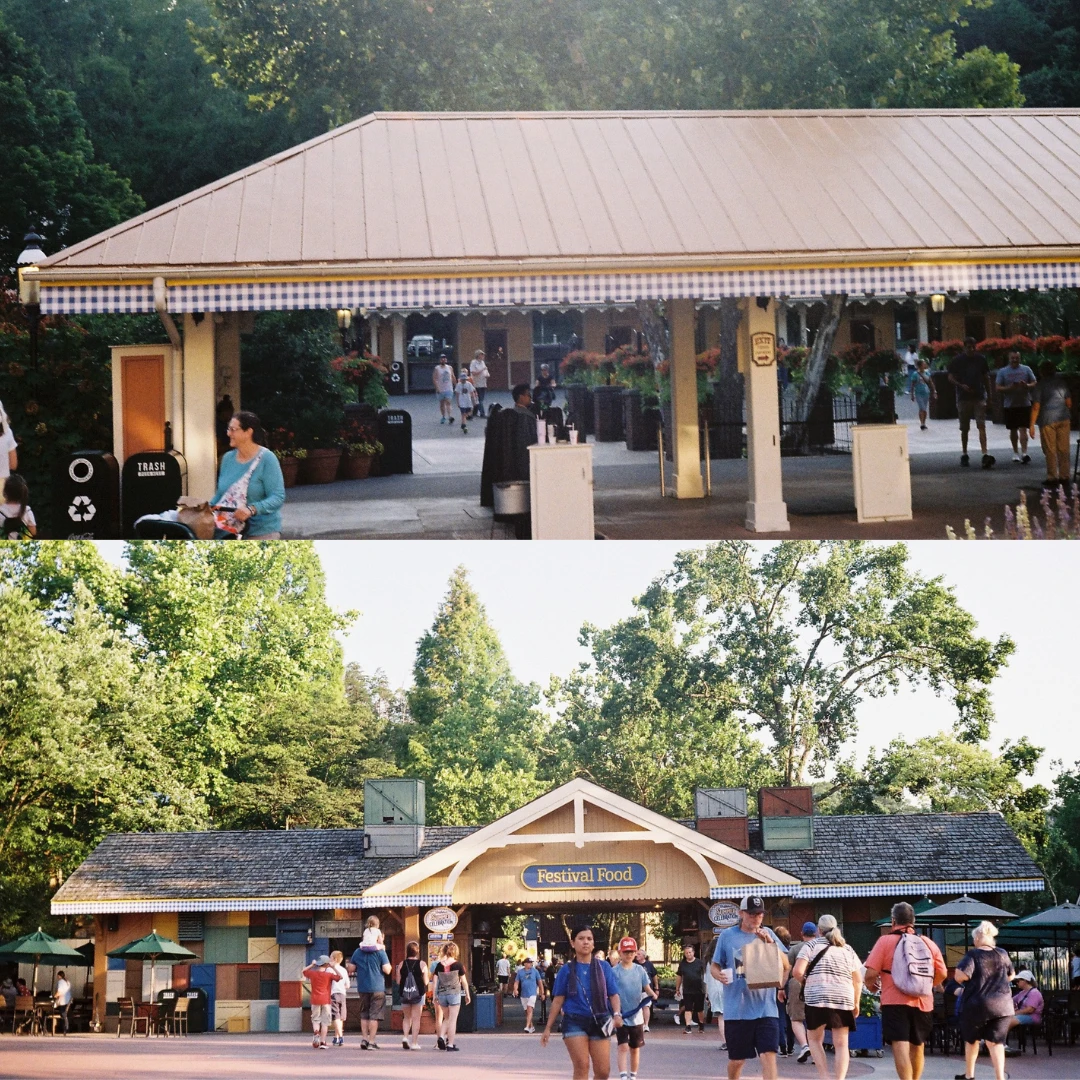
Why Dollywood and Pigeon Forge
Dollywood is a large theme park employer in Pigeon Forge, a tourism-driven city near the Smoky Mountains. For J-1 students, this placement has several practical advantages:
- A large employer with structured onboarding and rotating work positions
- Heavy guest interaction, which creates daily English practice
- Employer-arranged housing for Dollywood participants
- Access to local second-job opportunities in restaurants, sweets shops, souvenir stores, and attractions
- A quieter city environment compared with larger U.S. destinations
Garfield described Pigeon Forge as peaceful, nature-oriented, and relatively easy to settle into. It reminded him of a mountain resort town in Thailand: not a big city, but active enough for students who enjoy theme parks, local attractions, and a close student community.
The trade-off is schedule uncertainty. Dollywood schedules can change weekly, and closing shifts can become long days. Students choosing this placement need to be flexible with time, transportation, and second-job planning.
Primary Job: Ticket Team Member at Dollywood
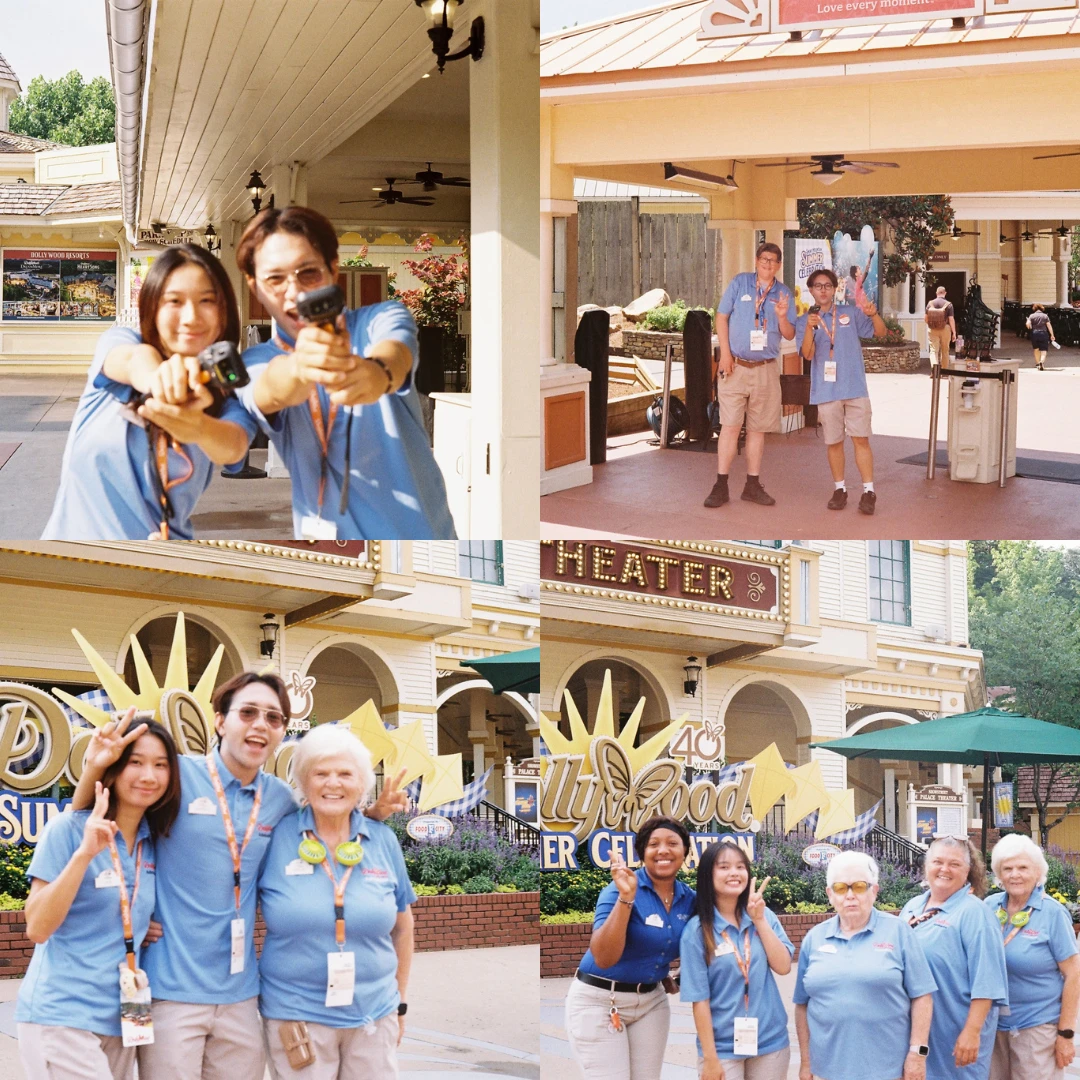
Garfield’s primary job was Ticket Team Member at Dollywood Theme Park from March 7 to July 7, 2025. The base wage was $15 per hour, with overtime paid at $22.50 per hour.
Although the title sounds like a ticket-selling role, Garfield’s actual duties were closer to front-line guest services. Because he was a J-1 participant with a fixed program period, he was not assigned to the full ticket booth process. Instead, he rotated across entry and support positions where the team handled guest flow, questions, scanning, and problem solving.
Typical Ticket Team stations included:
- Turnstiles
- Group Turnstiles
- Exit
- Turnstiles Breaker / Loop Breaker
- Kiosk Facilitator
- Small Booth Facilitator
This made the role high-contact from the first day. Every guest entering the park passed through the ticket area, so Garfield interacted with hundreds, and sometimes thousands, of visitors in a single shift.
The strongest value of this placement was the daily speaking practice. The job made English unavoidable, which turned a difficult first few weeks into a practical language-learning environment.

Schedule and Overtime
The earliest Ticket Team shifts usually started around 8:30 AM, though some positions began later. For example, Exit could start around 9:15 AM, while Breaker positions might begin around 10:00 AM.
The end time depended heavily on the assigned station and park traffic. Closing shifts could run until around 9:00 PM during the spring season because the park closed at 8:30 PM and the team still needed time to clear guests. During summer, the park could close later, which made closing shifts longer.
Garfield reported reaching around 40 hours per week during much of spring, with overtime available in many weeks. Some weeks had only three to five overtime hours, while the first week included roughly 12 overtime hours because the park had just opened and visitor demand was high.
What Made the Role Valuable
From an experience standpoint, this was one of the strongest parts of the placement. Ticket Team Member work forced Garfield to speak English constantly, even when he did not feel ready. Guests asked for directions, ticket help, entry support, policy clarification, and assistance with small problems.
At first, the volume of speaking was difficult. Over time, he learned how to answer common questions, read guest needs faster, and ask supervisors for support when an issue was beyond his authority.
One practical detail he appreciated was that some Ticket Team positions allowed sitting after 2:00 PM, and Exit could involve sitting earlier. However, Exit also carried more responsibility because the student might be stationed alone and expected to handle guest questions independently before calling a supervisor.
The main skills developed in this role were:
- Spoken English under pressure
- Guest service and conflict handling
- Attention to safety and entry procedures
- Confidence asking supervisors for help
- Adaptability across rotating positions
Second Job: Farmhouse Sweets
Garfield’s second job was at Farmhouse Sweets in Pigeon Forge, located near Parkway. The job paid $12 per hour plus tips.
This role worked well because the shop was flexible with Dollywood’s changing schedule. When Garfield finished early at Dollywood, he could take evening shifts at the sweets shop. Typical start times were around 2:00 PM, 3:00 PM, or 4:00 PM depending on his primary-job schedule, and some shifts ran until around midnight.
The work was broad rather than specialized. He needed to prepare and sell ice cream, milkshakes, chocolate, candy, and other desserts. Because the shop was located near major restaurants, customer traffic was strong after meal times. That made speed, friendliness, and English conversation directly connected to tip income.
For Garfield, tips became an important part of daily budgeting. He used tip money for regular expenses such as food, housing-related costs, and shopping. The work environment also helped: he often worked with two other teammates, and the small team structure made the job feel supportive despite the late hours.
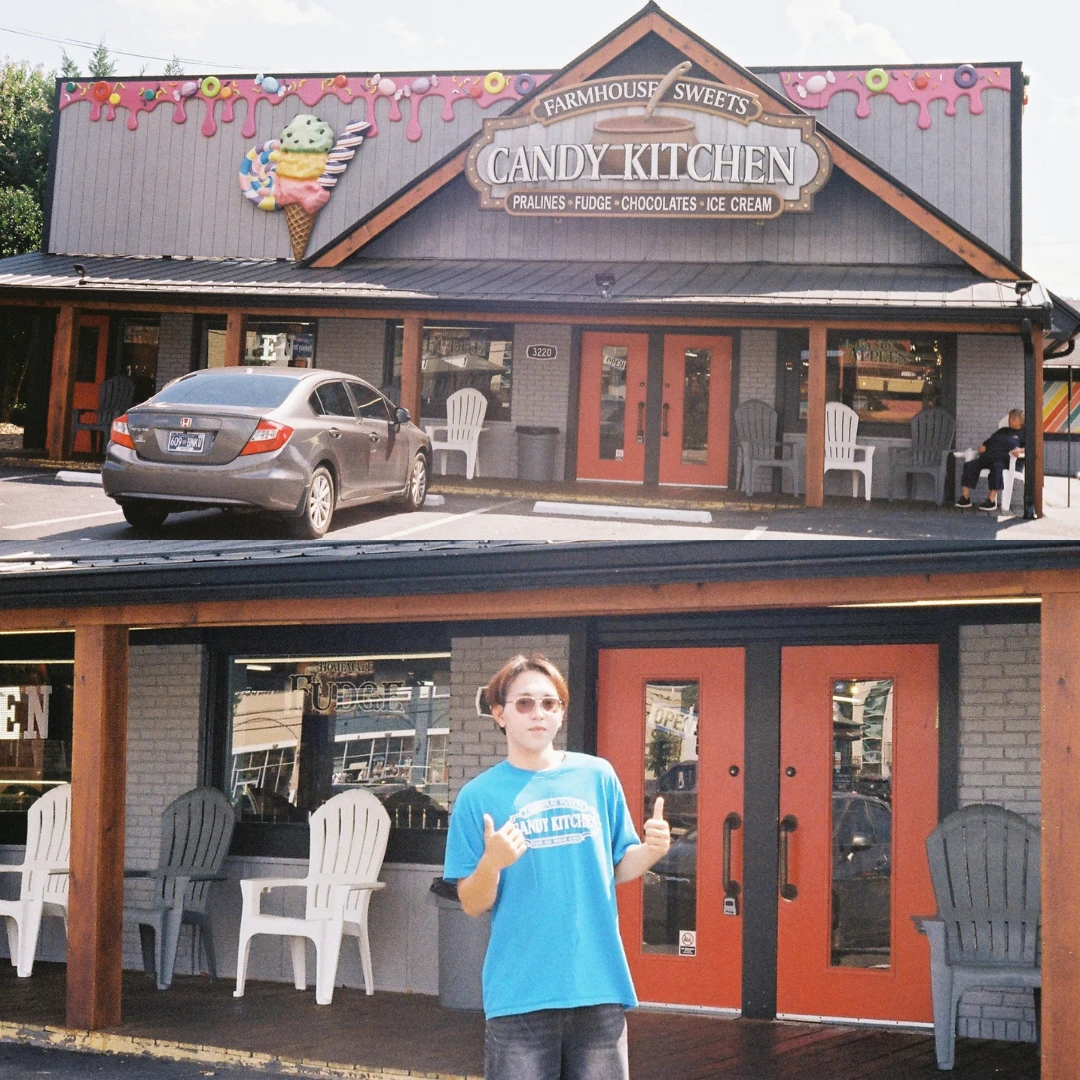
Third Job: Smoky Mountain Candy Makers
Garfield’s third job was at Smoky Mountain Candy Makers, paid at $15 per hour. Unlike the second job, this was not a daily add-on after Dollywood. He chose to work there mainly on days off from his primary job, usually in the morning because the store closed relatively early.
His main responsibility was cashier work on the second floor. The shop had two levels: a sweet shop downstairs and a souvenir store upstairs. Garfield was often trusted to manage the upstairs store independently.
This job was quieter than Dollywood and Farmhouse Sweets. Some days had fewer customers, which could feel lonely, but the lower-pressure environment created a different kind of learning opportunity. He practiced responsibility, store ownership, and casual conversation with local customers when traffic picked up.
The third job was not the highest-energy part of the season, but it rounded out his experience. It gave him a more local, small-business view of Pigeon Forge beyond the large theme park environment.
Housing: International Residence Hall
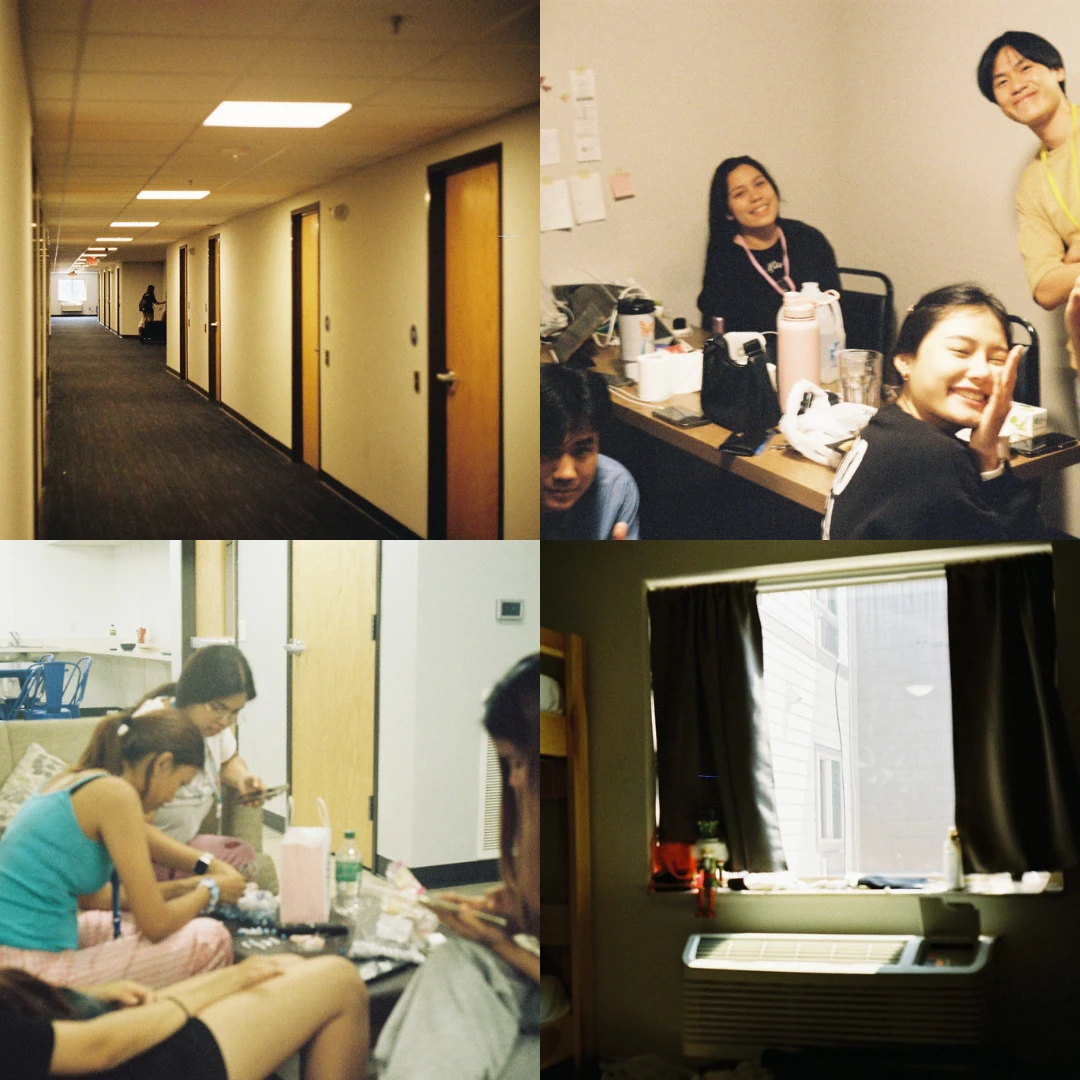
Garfield stayed at IRH, or International Residence Hall, which was arranged for students working with Dollywood. The housing setup was shared: one room housed four students, with bunk beds and basic amenities.
The room included practical essentials such as a refrigerator, microwave, air conditioning, and a desk. Transportation was also convenient. A shuttle bus picked students up at the residence, and the ride to Dollywood took about five minutes.
For Work and Travel students, this kind of housing arrangement has two major benefits. First, it reduces the uncertainty of finding accommodation in a tourist town. Second, it makes early shifts and long days more manageable because transportation is predictable.
Life in Pigeon Forge
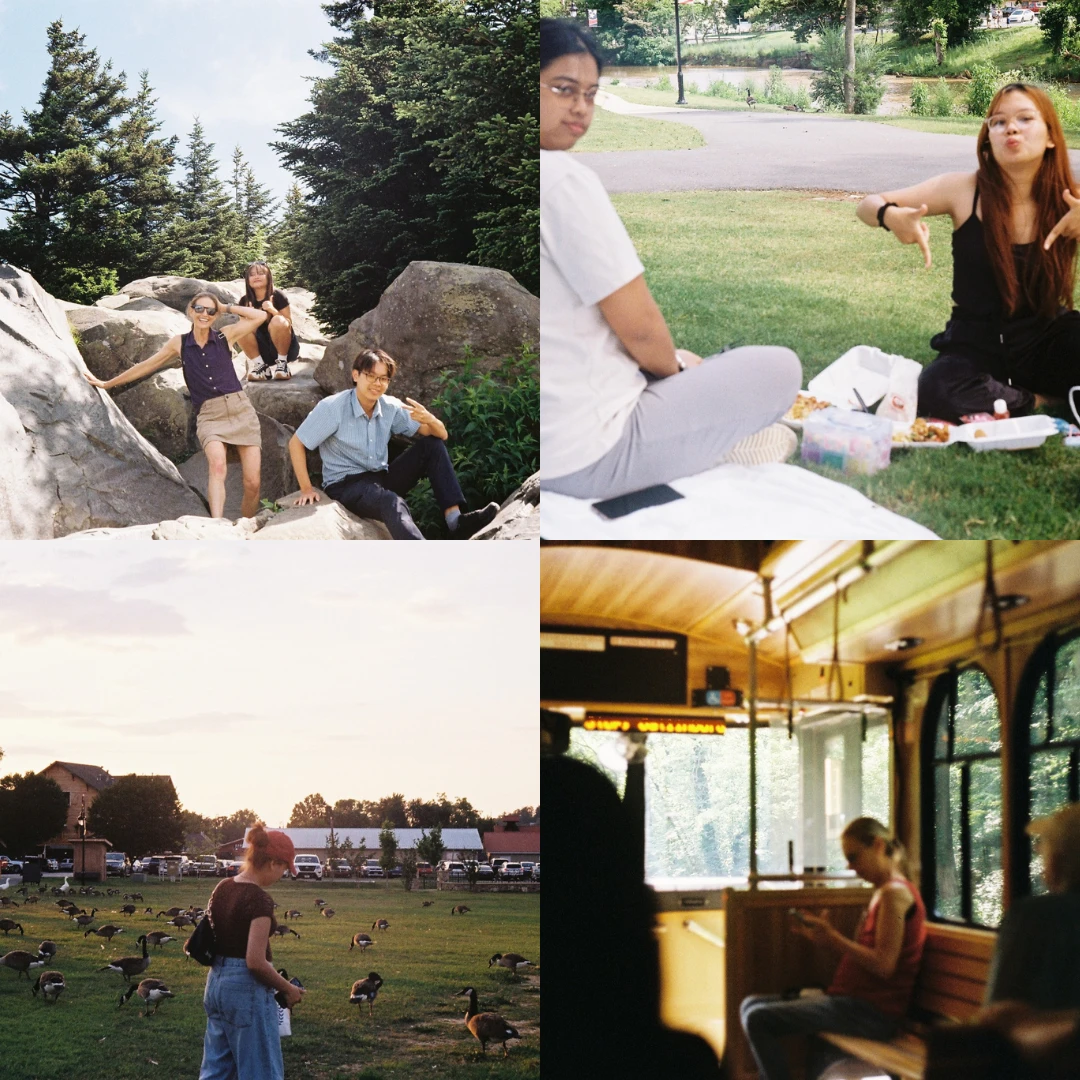
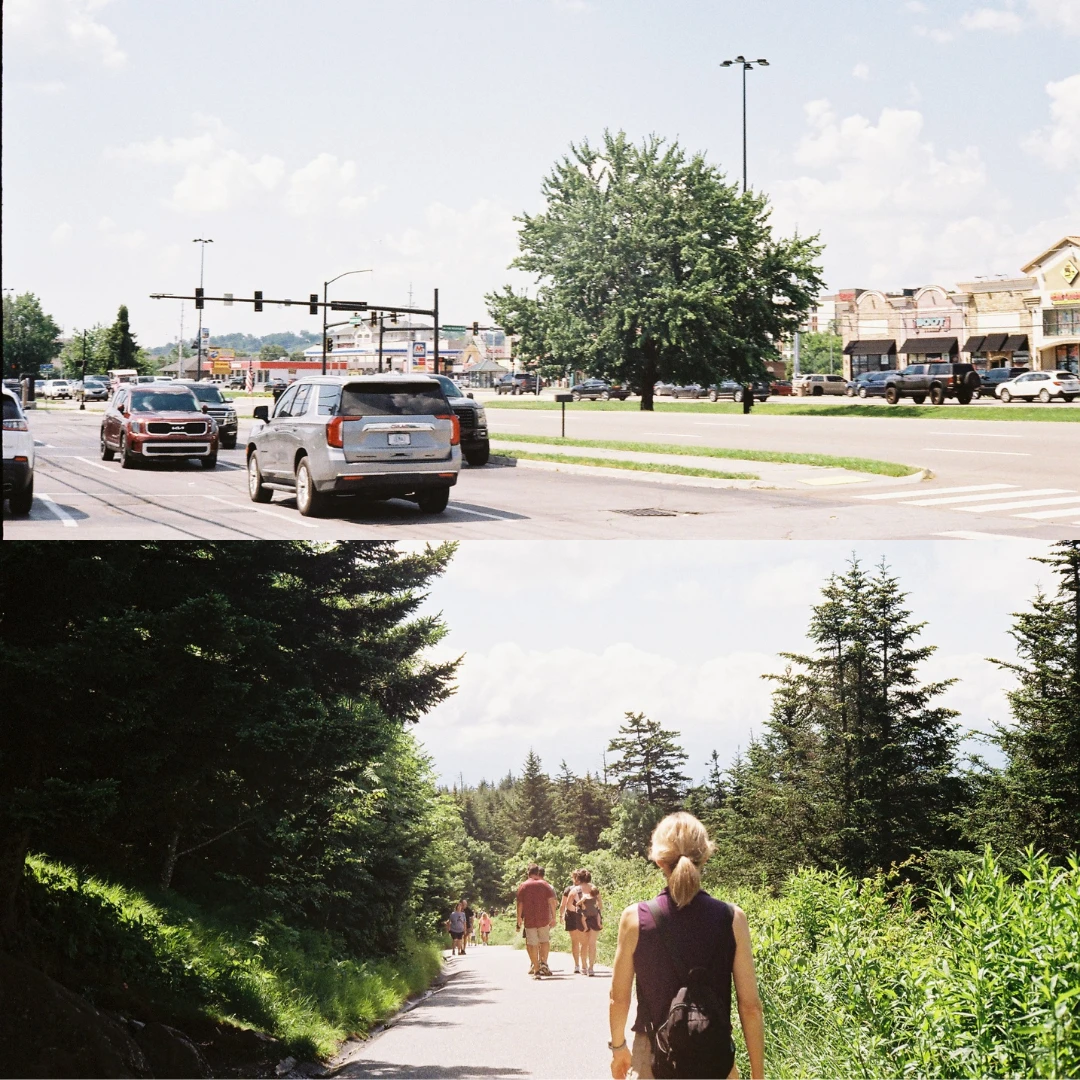
Pigeon Forge was a strong fit for Garfield because he valued both work experience and quality of life. The city was calm, scenic, and friendly. He described the early part of the season as cold, with temperatures around 0-1 degrees Celsius, but the town became easier to enjoy as he settled in.
Transportation was workable but required patience. The local trolley system covered the city, and Garfield used a $35 season pass for unlimited rides. Students could also pay around $1 per ride instead, but the pass made sense for someone moving around frequently.
Community support became an important part of the experience. Garfield met Thai people living in the area, including someone connected to Dollywood who shared Thai food with the students. For a student away from home for several months, those moments helped reduce homesickness and made the location feel more welcoming.
Dollywood employee benefits also added value. On days off, Garfield and his friends could access certain attractions or activities for free, which helped them enjoy the destination without spending heavily.

What Garfield Learned
The most important outcome was not only employment history. Garfield’s case shows how guest-facing work can accelerate English improvement when students are placed in roles where speaking is unavoidable.
Before the program, the idea of handling constant guest questions was intimidating. By the end of the season, he had developed practical confidence: answering routine questions, asking for clarification, solving small problems, and knowing when to call a supervisor.
He also learned how to manage a variable weekly schedule. This mattered because his second job depended on Dollywood’s changing hours. Students who want multiple jobs in Pigeon Forge need to understand that the primary employer’s schedule comes first, and second-job success depends on communication and flexibility.
Finally, he learned how to balance work with experience. He worked hard, but he also used days off to explore, spend time with friends, and make the most of the destination. That balance is part of why he described the season as tiring but worthwhile.
Who This Placement Is Best For
Dollywood and Pigeon Forge are a good fit for students who want:
- A structured primary employer
- Frequent English practice with guests
- A tourism-focused city with second-job options
- Shared housing and short commuting time
- A quieter environment than a major U.S. city
- A program experience that includes both work and travel
This placement may be less ideal for students who need a fixed weekly schedule, dislike customer-facing roles, or want a city with extensive public transportation and nightlife. The opportunity is strongest for students who are comfortable with changing shifts, long days, and active communication.
Key Takeaways
1. Guest-facing work can be the fastest language classroom
The Ticket Team role required Garfield to speak English every day. The pressure was uncomfortable at first, but that pressure became the reason his confidence improved.
2. A flexible second job can make the season more productive
Farmhouse Sweets worked because the shop could adjust around Dollywood’s schedule. For students planning multiple jobs, flexibility may matter more than the hourly rate alone.
3. Pigeon Forge rewards students who enjoy destination life
The city is not a large urban center. Its strength is tourism, scenery, theme parks, local shops, and a close student community. Students who value that environment can have a strong overall experience.
4. The best outcome is not always only savings
Garfield’s case is better understood as an experience-focused success story. He gained work confidence, improved English, built independence, and completed a full season across three jobs.
Source Note
This case study is adapted from a Thai-language participant review originally published by New Step Thailand: Dollywood (Spring 2025) by Garfield. The story has been translated, reorganized, and rewritten in an editorial case-study format for English readers. Original credit: Facebook Perapat Noikam.
By Editorial Team