Student
Nicky / Nitcha S.
Location
Destin, Florida, USA
Program Year
2026
Published
Case Study
Case Study: Mastering Fast-Paced Restaurant Service at Mellow Mushroom in Florida
An English case study exploring Nicky's Summer 2026 Work and Travel experience in Destin, Florida, highlighting the high-energy restaurant environment, second job management, and beach town living.
Background
Nicky joined the Work and Travel USA program during the Summer 2026 season. As a third-year university student majoring in Hospitality, her goal was straightforward: she wanted to experience real American restaurant culture, earn a solid income to fund her post-program travel, and spend her summer near the ocean.
Over three and a half months, she lived and worked in Destin, Florida. Her primary job was at Mellow Mushroom, a popular pizza and craft beer restaurant. To maximize her earnings and fill her mornings, she later secured a second job in housekeeping at the nearby Clarion Pointe hotel.
This case study is highly relevant for students considering food and beverage (F&B) roles. It highlights the reality of working in a tourist-heavy beach town where the pace is exceptionally fast, the weather is hot, and the financial rewards depend heavily on hustle and customer service skills.
| Case Snapshot | Detail |
|---|---|
| Primary employer | Mellow Mushroom |
| Primary role | Host & To-Go Specialist |
| Location | Destin, Florida |
| Season | Summer 2026 |
| Program dates | May 15 to August 30, 2026 |
| Work pattern | Evening primary job + Morning second job |
| Best fit | High-energy students who thrive in fast-paced environments and love beach towns |

Why Destin, Florida?
Destin is located on Florida’s Emerald Coast, famous for its white-sand beaches and family-friendly attractions. For J-1 students, this destination offers unique characteristics:
- Massive Summer Tourism: The population swells during the summer, meaning businesses are extremely busy and hours are plentiful.
- Abundant Second Jobs: Hotels, souvenir shops, and ice cream parlors line the main highway, making it easy to walk in and ask for a second job.
- Coastal Lifestyle: On days off, the beach is free and always accessible.
- Bicycle-Friendly (Mostly): While public transport is limited, many students commute by bicycle along the highway sidewalks.
The main trade-off is the summer heat and humidity, which can be exhausting, especially when commuting by bike. Additionally, the high cost of living in a resort town means students must budget carefully during their first few weeks.
Primary Job: Host & To-Go Specialist at Mellow Mushroom
Nicky’s primary role at Mellow Mushroom started as a Host but quickly expanded to include To-Go Specialist duties due to her efficiency. Her base wage was $14 per hour, plus a share of the tip pool from takeout orders.
Working at a popular pizza restaurant during the Florida summer rush is not for the faint of heart. Wait times for a table could easily stretch to two hours on weekends.
Typical daily responsibilities included:
- Managing the waitlist software and greeting guests
- Estimating wait times accurately and handling impatient customers
- Answering phones to take complex custom pizza orders
- Packaging food, checking for order accuracy, and processing payments for takeout
“The first two weeks were overwhelming,” Nicky admitted. “Southern accents over a noisy phone line were so hard to understand. But by week three, I knew the menu by heart, and taking orders became muscle memory.”
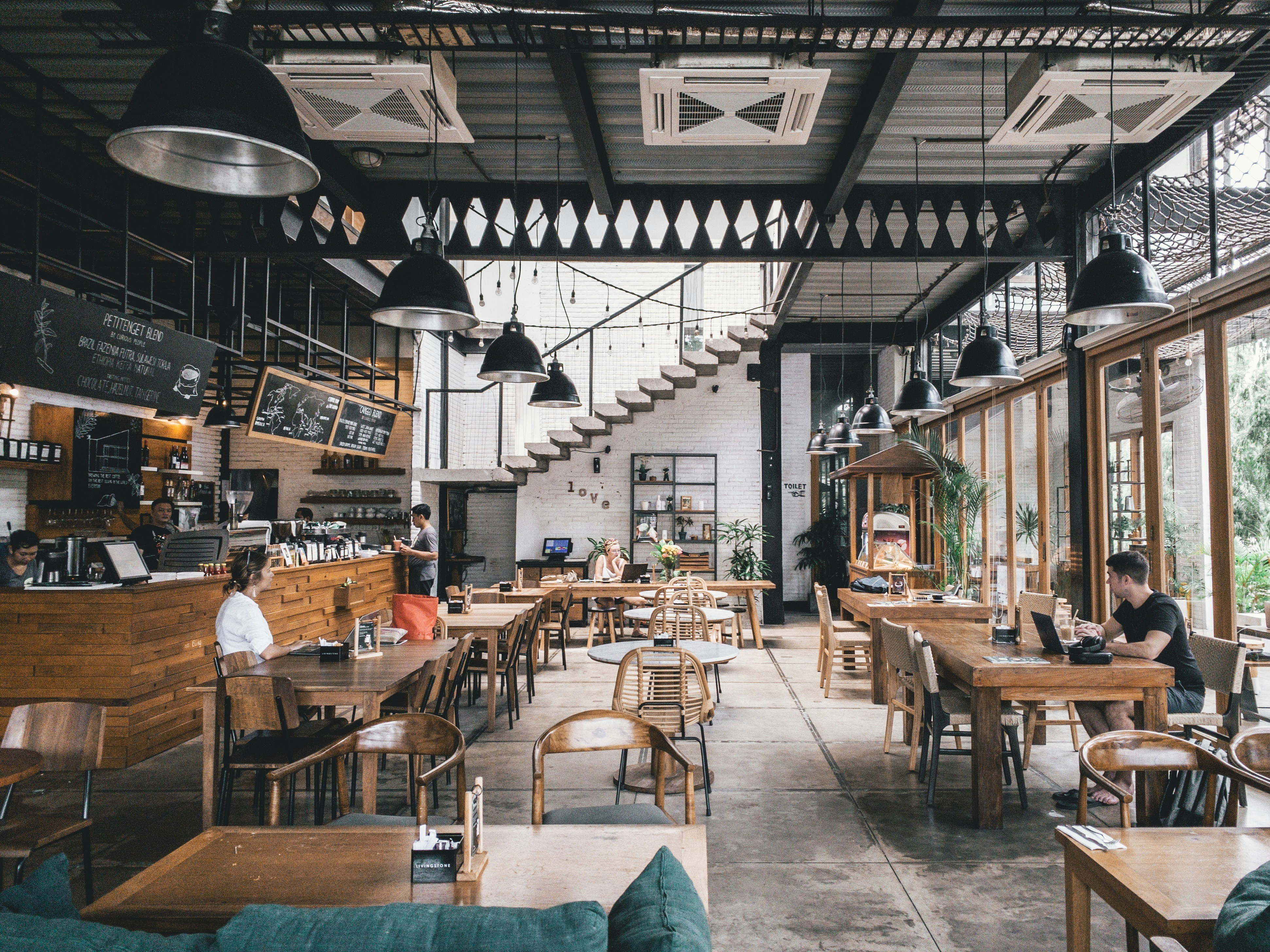

Schedule and Earnings
Because Mellow Mushroom is heavily dinner-focused, Nicky’s shifts typically ran from 3:00 PM to 11:00 PM. She consistently received 35–40 hours per week.
The financial highlight of this role was the To-Go tips. In American tipping culture, even takeout orders often generate small tips. Because the volume of orders was so high, Nicky often walked away with an additional $30 to $50 in cash tips per shift, which she used for her daily groceries and rent.
Second Job: Housekeeping at Clarion Pointe
With her afternoons and evenings booked at the restaurant, Nicky wanted a morning job. Two weeks into her program, she walked into Clarion Pointe, a nearby hotel, and was hired on the spot as a Room Attendant (Housekeeper).
This job paid $15 per hour and ran from 8:30 AM to 2:00 PM.
The contrast between the two jobs was perfect for her. While Mellow Mushroom required constant smiling, talking, and problem-solving, Clarion Pointe was solitary and physical. She could put in her AirPods, listen to music or Thai podcasts, and clean rooms at her own pace.
Working two jobs meant she was clocking nearly 65 hours a week. It was physically draining, but the combination of a quiet morning job and a social evening job kept her mentally balanced.
Housing and Daily Commute
Housing in Destin was arranged by her visa sponsor. She lived in a large rented vacation house shared with 10 other international J-1 students (from Thailand, Turkey, and Jamaica). She paid $150 per week for a shared room.
The house was fully equipped with a kitchen, washer/dryer, and a backyard, which made it feel like a true home base.
For transportation, Nicky bought a used bicycle at Walmart for $120. Her commute to Mellow Mushroom took 15 minutes, and Clarion Pointe was only 10 minutes away. Biking in the Florida heat required her to always carry a change of clothes and plenty of water, but it saved her hundreds of dollars in Uber fares over the summer.
Life in Destin
Despite working long hours, Nicky made sure to enjoy the Florida lifestyle. Because her restaurant shifts didn’t start until mid-afternoon on the days she didn’t work at the hotel, she spent her mornings at the beach.
Destin’s community of J-1 students is massive. Employer-organized employee appreciation nights, beach bonfires, and trips to the local outlet mall (Silver Sands Premium Outlets) were regular occurrences. The cultural exchange was authentic, as she spent just as much time socializing with her American coworkers as she did with other international students.
What Nicky Learned
The biggest takeaway for Nicky was resilience under pressure. In the restaurant industry, things go wrong: orders get dropped, customers get angry about wait times, and the kitchen gets backed up. She learned how to de-escalate tense situations with a smile and professional English—a skill she noted will directly benefit her future hospitality career in Thailand.
She also learned the value of extreme time management. Balancing a 65-hour work week across two jobs required her to meal-prep, sleep on a strict schedule, and maximize her small pockets of free time.
Who This Placement Is Best For
Destin, Florida, and high-volume restaurant roles are best for students who:
- Have a strong baseline of conversational English (to handle fast-talking customers).
- Enjoy a very fast-paced, sometimes chaotic work environment.
- Don’t mind hot, humid summer weather.
- Are physically fit enough to stand for 8 hours and commute by bicycle.
- Want a location with high earning potential and abundant second-job opportunities.
It is not recommended for students who prefer a slow, quiet work environment or those who are easily stressed by crowded spaces.
Key Takeaways
1. Restaurant roles build unbeatable communication skills
Working the phones and the front door forces you to understand different accents, slang, and American dining etiquette fast.
2. Complementary job schedules prevent burnout
Pairing a high-interaction job (Host) with a low-interaction job (Housekeeping) is a smart strategy to protect your mental energy.
3. Tips change the financial game
Even non-server F&B roles like To-Go Specialists can earn significant tip income, providing a steady stream of daily cash for living expenses.
4. A bicycle is your best investment in a beach town
Skip the expensive rideshares. A cheap bike pays for itself in the first two weeks in a condensed tourist town like Destin.
By Editorial Team